
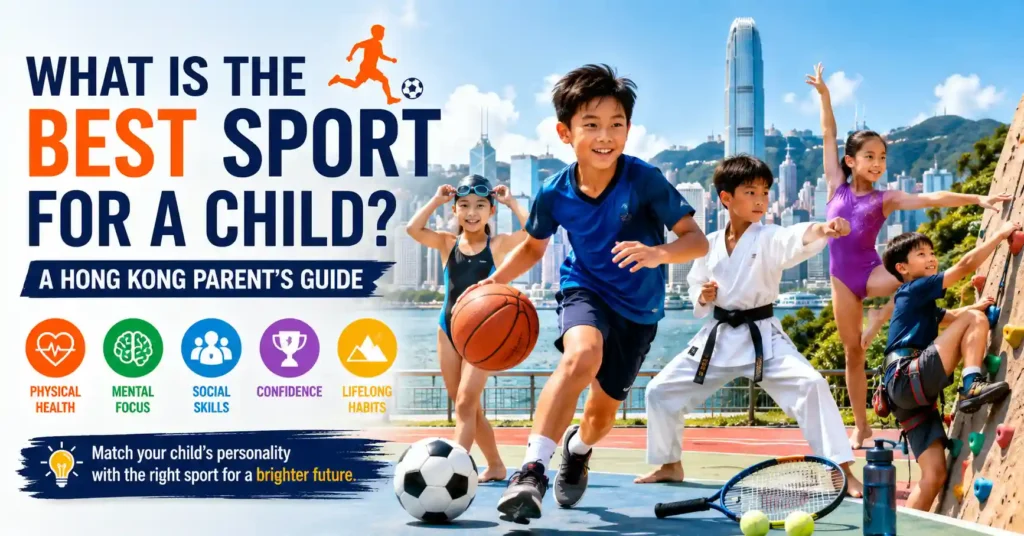
Choosing the right sport for your child can feel overwhelming. But here’s the truth: there’s no single “best” sport. The ideal choice depends on your child’s personality, physical abilities, and interests. Research from the Journal of Pediatrics shows that children who engage in regular physical activity score 23% higher on concentration tests than their inactive peers. In this guide, you’ll discover how to match your child’s unique traits with sports for kids that help them thrive physically, mentally, and socially.
Why Does Choosing the Right Sport Matter?
The right sport builds confidence, physical fitness, and social skills while teaching discipline and teamwork. When children enjoy their chosen activity, they’re 4 times more likely to stick with it long-term, according to youth development studies.
Sports participation shapes brain development during critical growth years. Children aged 5-12 who play sports regularly develop better executive function skills. That includes planning, focus, and emotional regulation. These benefits extend far beyond the playing field.
Hong Kong’s dense urban environment makes organized sports for kids even more valuable. Many children lack space for free play. Structured programs provide essential movement and outdoor time.
What Physical Benefits Do Sports Provide for Children?
Sports develop cardiovascular health, build muscle strength, improve coordination, and establish lifelong fitness habits that reduce obesity risk by up to 40%.
Different activities target specific physical skills. Swimming builds full-body strength and lung capacity. Basketball enhances vertical movement and hand-eye coordination. Martial arts improve balance and flexibility.
Regular participation in kids sports helps children maintain healthy body weight. The World Health Organization recommends 60 minutes of moderate to vigorous activity daily. Team sports and adventure activities naturally meet this target.
Bone density increases during childhood physical activity. Weight-bearing exercises like running and jumping strengthen skeletal structure. This foundation prevents osteoporosis later in life.
Movement Patterns That Matter
Children need exposure to varied movement patterns. Outdoor sports develop different skills than indoor activities. Programs at forest school hong kong combine natural exploration with physical challenges.
Cross-training prevents overuse injuries. Young athletes who specialize too early face higher injury rates. Variety keeps training fun and bodies balanced.
How Do Sports Impact Mental and Emotional Development?
Sports reduce anxiety, build self-esteem, teach emotional regulation, and improve focus through structured challenges that require problem-solving and persistence.
Team environments teach children how to handle disappointment. They learn that losing is part of growth. This resilience transfers to academic challenges and social situations.
Individual sports like gymnastics for kids hong kong build self-reliance. Children learn to set personal goals and measure their own progress. That internal motivation becomes a powerful life skill.
After school programs provide structure during potentially idle hours. Children in after school activities show 20% fewer behavioral issues than unsupervised peers, studies confirm.
Confidence Through Competence
Mastering new skills creates genuine self-esteem. Unlike empty praise, earned accomplishment builds lasting confidence. Children who achieve sporting milestones carry that self-belief into other areas.
Social anxiety decreases through regular team interaction. Shared goals create natural friendships. Children learn communication skills in pressure situations.
Which Sports Work Best for Different Personalities?
| Child’s Personality | Recommended Sports | Key Benefits |
| High-energy, social | Football, basketball, rugby | Channel energy, teamwork |
| Focused, independent | Swimming, martial arts, climbing | Self-discipline, personal goals |
| Creative, expressive | Gymnastics, dance, figure skating | Artistic expression, flexibility |
| Adventurous, outdoorsy | Hiking, rock climbing, forest activities | Nature connection, problem-solving |
| Strategic thinkers | Tennis, badminton, chess boxing | Tactical planning, quick decisions |
Observe how your child plays naturally. Do they seek group activities or prefer solo challenges? Match their instincts rather than imposing your preferences.
Basketball training for kids suits children who enjoy fast-paced action and constant movement. The sport demands quick thinking and constant communication.
What Age Should Children Start Different Sports?
Most children can begin structured sports between ages 4-6, but the ideal starting age varies by sport complexity and physical demands.
Swimming can start as early as 6 months with parent-child classes. By age 4, most children handle basic stroke instruction. Early water confidence builds safety skills.
Contact sports typically wait until age 7-8. Bodies need sufficient muscle development to absorb impact safely. Coordination must reach certain levels for injury prevention.
Gymnastics accepts children from age 3 in introductory classes. Early flexibility training works best during natural development windows. The sport demands significant commitment as children advance.
Pro Tip: Start with multi-sport programs before specializing. Children under 12 benefit more from variety than single-sport focus. This approach prevents burnout and develops well-rounded athleticism.
Hong Kong Context for After School Programs
Space constraints make after school hk programs essential for many families. Quality outdoor hong kong facilities provide children access to proper equipment and coaching.
Many international schools offer limited sports facilities. External programs fill this gap. Holiday camps for kids provide intensive skill development during school breaks.
How Do You Know If Your Child Enjoys Their Sport?
Watch for enthusiasm before practice. Children who genuinely enjoy their sport don’t need constant reminders. They talk about upcoming sessions and show excitement.
Improvement indicates engagement. When children practice skills at home voluntarily, they’ve found something meaningful. Stagnation often signals disinterest rather than inability.
Mood after practice reveals true feelings. Tired but happy differs from drained and irritable. Some frustration is normal during learning, but dread signals a poor fit.
Ask open questions about their experience. “What was the best part today?” reveals more than “Did you have fun?” Listen for specific details they share.
What Makes Adventure Sports Valuable for Children?
Adventure sports push comfort zones in controlled environments. Rock climbing teaches calculated risk-taking. Children learn to assess challenges realistically.
These activities build unique problem-solving skills. Routes don’t have single solutions. Children develop creative thinking while navigating physical challenges.
Natural environments provide sensory experiences unavailable in gyms. Outdoor activities connect children to weather, terrain, and ecological awareness. This environmental education happens organically.
Programs at adventure sports academy facilities combine safety protocols with genuine challenge. Professional instruction ensures progression without recklessness.
Frequently Asked Questions
Should my child play team or individual sports?
Both offer unique benefits. Team sports develop collaboration and social skills. Individual sports build self-reliance and internal motivation. Many children benefit from experiencing both types before age 12.
How many sports should my child try?
Children under 12 should sample 2-3 different activities per year. This variety prevents overuse injuries and helps identify genuine interests. Specialization works better after age 13 when preferences solidify.
What if my child wants to quit their sport?
Distinguish between temporary frustration and genuine disinterest. Require completion of the current season or term to teach commitment. Then reassess whether to continue or try something new.
How much does quality sports training cost in Hong Kong?
Prices range from HK$150-500 per session depending on sport, facility, and group size. Holiday camps typically cost HK$3,000-6,000 per week. Budget constraints shouldn’t prevent participation as community centers offer affordable options.
Can sports help children with learning difficulties?
Yes. Physical activity improves focus and emotional regulation for children with ADHD and autism spectrum disorders. Structured sports provide clear rules and predictable routines that many neurodiverse children find comforting.
What safety considerations matter most for kids sports?
Proper equipment fits correctly and meets safety standards. Qualified coaches maintain appropriate supervision ratios. Facilities should have emergency protocols and first aid trained staff present.
How do I balance academics and sports commitments?
Sports shouldn’t consume more than 10-12 hours weekly for elementary students. Physical activity actually improves academic performance by enhancing concentration. Schedule sports for after homework completion when possible.